

Introduction
The mobile phone has become one of the most important technological inventions of the modern era. From simple communication devices to powerful handheld computers, mobile phones have transformed how people connect, work, learn, and entertain themselves. Today, nearly every aspect of daily life is influenced by mobile technology. Whether it is making calls, browsing the internet, managing finances, attending online classes, or creating content, mobile phones have become indispensable tools for individuals and businesses alike.
Over the last two decades, advancements in hardware, software, and connectivity have significantly improved mobile phone capabilities. Modern smartphones offer features that were once only available on desktop computers. As technology continues to evolve, consumers are seeking reliable information about devices, trends, and innovations. Many technology-focused platforms, including techgup org, regularly discuss the latest developments in the mobile industry, helping users stay informed about emerging trends and product launches.
Evolution of Mobile Phones
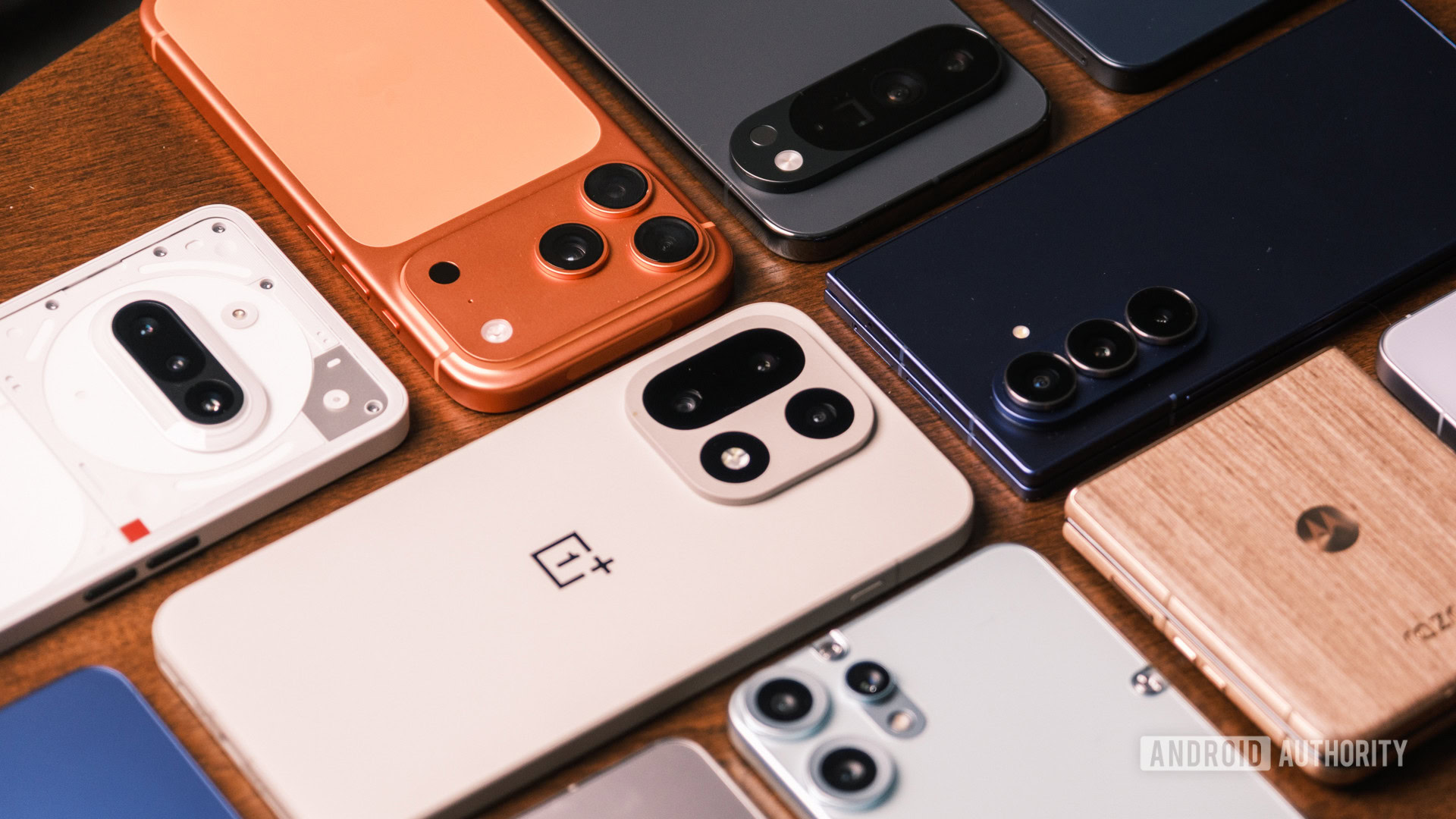
The journey of mobile phones began with bulky devices primarily designed for voice communication. Early models had limited battery life, large antennas, and minimal functionality. Despite these limitations, they marked the beginning of mobile communication.
As technology advanced, manufacturers introduced smaller, lighter, and more efficient devices. The introduction of digital networks improved call quality and reliability. The arrival of smartphones revolutionized the market by combining communication, computing, and multimedia functions into a single device.
Today’s smartphones feature advanced processors, high-resolution displays, artificial intelligence capabilities, and fast internet connectivity. Industry observers and technology communities, including techgup org, often highlight how these innovations continue to reshape consumer expectations and digital lifestyles.
Key Components of a Mobile Phone
Modern mobile phones consist of several critical components that work together to deliver a seamless user experience.
| Component | Function |
|---|---|
| Processor | Handles computing tasks and performance |
| RAM | Supports multitasking capabilities |
| Storage | Stores apps, files, photos, and videos |
| Display | Provides visual interaction |
| Battery | Powers the device |
| Camera | Captures photos and videos |
| Operating System | Manages software and applications |
| Connectivity Module | Enables Wi-Fi, Bluetooth, and mobile networks |
Each component plays a significant role in determining the overall performance of a mobile device. Consumers often compare these specifications before making purchasing decisions.
Importance of Mobile Phones in Daily Life
Mobile phones have become central to everyday activities. Their versatility allows users to accomplish multiple tasks from a single device. Communication remains the primary purpose, but modern smartphones now serve many additional functions.
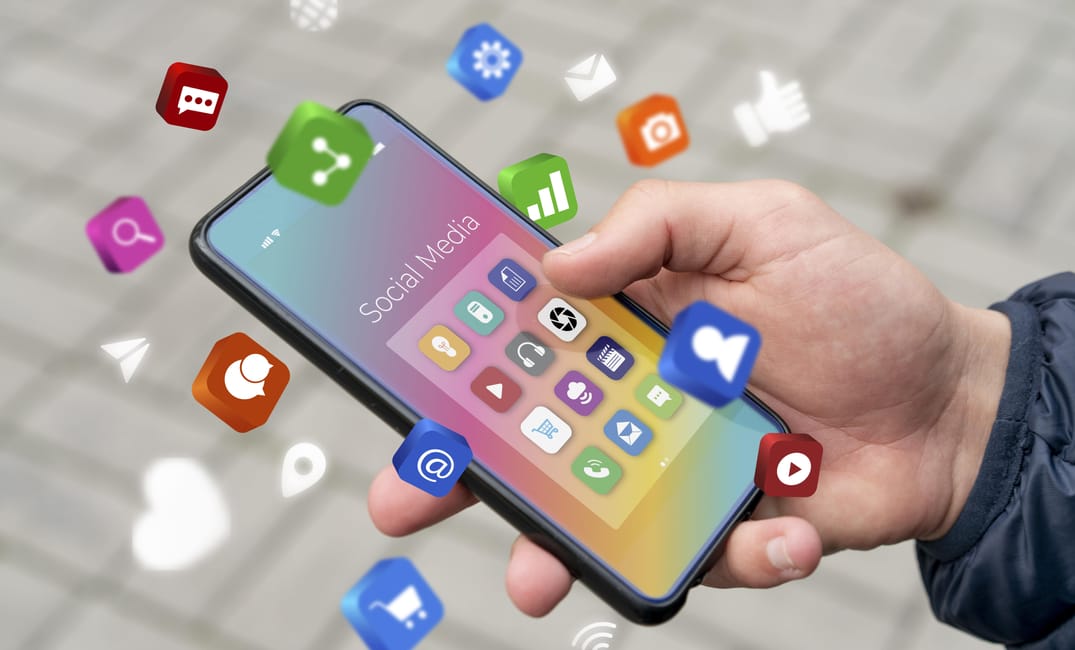
Some common uses include:
- Voice and video calling
- Internet browsing
- Online education
- Social networking
- Mobile banking
- Navigation and GPS services
- Entertainment and gaming
- Professional productivity
The convenience offered by mobile phones has increased efficiency in both personal and professional environments. Discussions on platforms such as techgup org frequently explore how smartphones continue to influence modern lifestyles and work habits.
Mobile Phone Operating Systems
The operating system serves as the foundation of a smartphone’s functionality. It manages applications, security, performance, and user interactions.
Major Mobile Operating Systems
| Operating System | Key Features |
|---|---|
| Android | Open ecosystem, wide device selection |
| iOS | Strong security, optimized performance |
| HarmonyOS | Cross-device integration |
| KaiOS | Lightweight system for feature phones |
Android remains popular due to its flexibility and extensive app ecosystem. iOS is recognized for its seamless integration and consistent user experience. Other operating systems continue to target specific market segments and user requirements.
Camera Technology in Modern Smartphones
One of the most significant advancements in mobile phones is camera technology. Smartphone cameras now rival traditional cameras in many situations. Manufacturers continue to invest heavily in imaging systems to attract consumers.
Modern smartphone cameras include features such as:
- Multiple lenses
- Optical image stabilization
- Artificial intelligence enhancements
- Night photography modes
- 4K and 8K video recording
- Portrait effects
- High dynamic range imaging
These capabilities allow users to capture professional-quality content directly from their phones. Technology websites such as techgup org often review camera innovations and compare the performance of leading smartphone brands.
Mobile Phones and Internet Connectivity
Fast internet connectivity has dramatically expanded smartphone functionality. Modern devices support multiple connectivity standards that provide reliable access to online services.
Connectivity Options
| Technology | Purpose |
|---|---|
| 4G LTE | High-speed mobile internet |
| 5G | Ultra-fast connectivity and low latency |
| Wi-Fi | Local wireless internet access |
| Bluetooth | Device-to-device communication |
| NFC | Contactless payments and transfers |
The rollout of 5G technology is particularly significant because it enables faster downloads, smoother streaming, and improved support for emerging technologies such as augmented reality and cloud gaming.
Mobile Phones for Business and Productivity
Businesses increasingly rely on mobile phones to improve efficiency and communication. Employees can access emails, participate in virtual meetings, manage projects, and collaborate remotely using mobile devices.
Benefits for professionals include:
- Instant communication
- Cloud access
- Remote work support
- Digital document management
- Task scheduling
- Video conferencing
Smartphones have become powerful productivity tools that allow professionals to remain connected regardless of location. Reports and discussions featured on techgup org often emphasize the growing role of mobile technology in modern workplaces.
Security Features in Mobile Phones
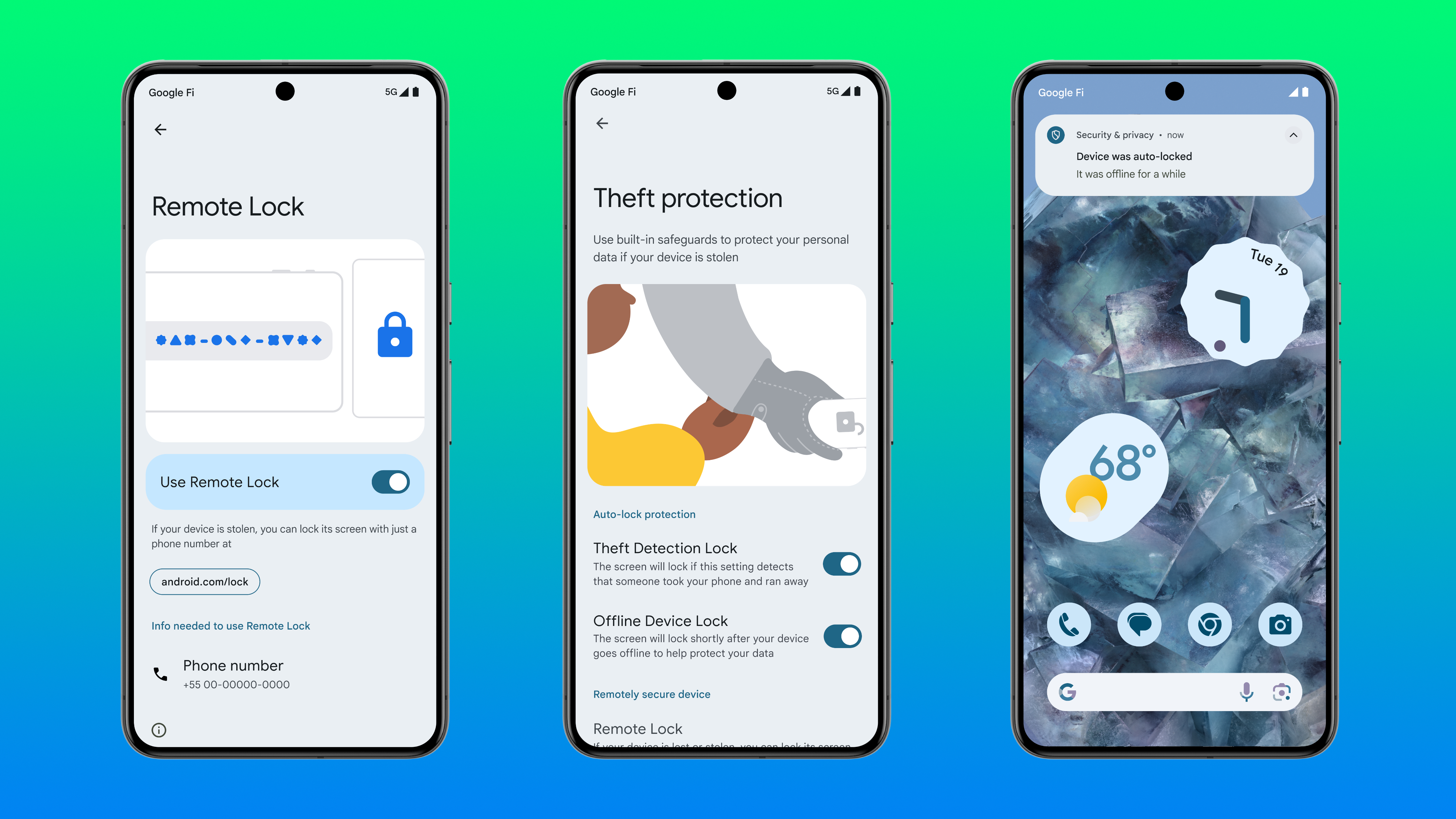
Security is a major concern for smartphone users. Manufacturers have implemented numerous features to protect personal information and sensitive data.
Common security measures include:
- Fingerprint authentication
- Facial recognition
- Encryption technology
- Secure app permissions
- Multi-factor authentication
- Automatic software updates
These features help reduce risks associated with cyber threats, identity theft, and unauthorized access. Users are encouraged to keep their devices updated and follow best security practices.
Conclusion
Mobile phones have evolved far beyond their original purpose of voice communication. They now serve as powerful tools for productivity, entertainment, education, and social interaction. Continuous innovation in hardware, software, connectivity, and artificial intelligence ensures that smartphones remain at the center of digital transformation.
As new technologies emerge, mobile phones will become even more capable and integrated into everyday life. Resources such as techgup org help users stay informed about industry developments, device comparisons, and future trends. Whether for personal use or professional growth, the mobile phone continues to be one of the most influential technologies shaping the modern world.